In the competitive world of healthcare, a digital presence is no longer optional. For a Pediatric Dentist, a website serves as the digital front door to the practice. However, many practitioners overlook the psychological impact of Website Design. Parents are not just looking for a doctor; they are looking for safety. Therefore, your site must convey trust immediately. In this guide, we explore how to build a high-performance site using modern tools like our Framer Template.
1. Why Specialized Design Matters for a Kids Dentist
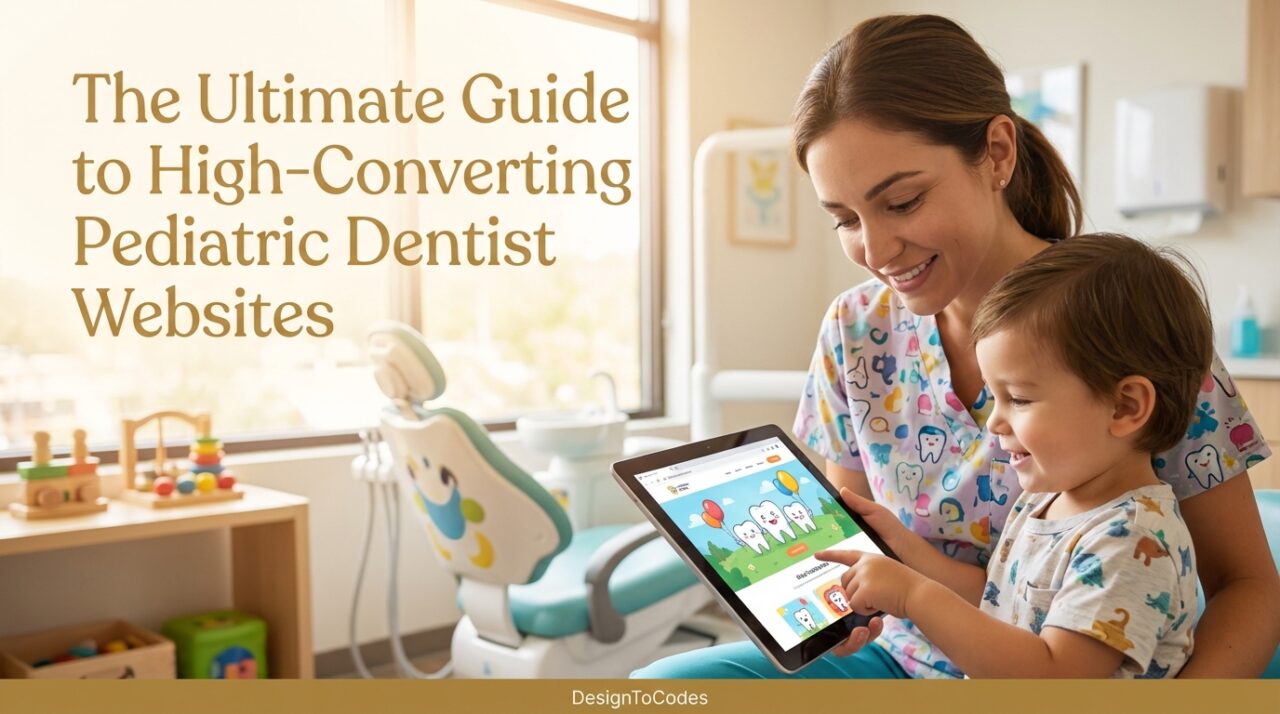
Designing for a pediatric audience requires a delicate balance. First, you must appeal to the parents who make the decisions. Second, you must appear friendly to the children. A generic Medical Website often looks sterile and intimidating. Consequently, this increases anxiety. To combat this, successful clinics use warm colors and playful shapes. Furthermore, incorporating photos of smiling staff members humanizes the brand.
Psychology plays a massive role in Dental Marketing. If a parent visits a site that looks outdated or cold, they assume the technology in the clinic is also outdated. This is a dangerous assumption for your business. On the other hand, a modern, fast, and responsive site suggests you use state-of-the-art equipment. Therefore, investing in premium design is an investment in your reputation. It signals competence before the patient even walks through the door.
Additionally, visual storytelling is crucial. You should showcase your waiting room and treatment areas. If you have a play area, highlight it. A specialized Dental Clinic template like Dentokido allows you to display these assets effectively. By visually demonstrating a child-friendly environment, you remove the primary barrier to booking: fear. Thus, design becomes a tool for patient acquisition, not just aesthetics.
2. Essential Features Every Dental Website Needs
Functionality must match aesthetics. A beautiful site that is hard to use is worthless. First and foremost, you need clear navigation. Parents looking for a Family Dentist often have limited time. They need to find insurance information, location, and hours within seconds. Therefore, your menu structure must be intuitive. Avoid medical jargon where possible. Use clear terms like “First Visit,” “Services,” and “Contact.”
Another critical feature is service clarity. You must clearly distinguish between general Dental Care and specialized treatments. For instance, if you have an in-house Orthodontist, ensure this gets a dedicated page. Similarly, Cosmetic Dentistry for teens is a growing market. Create specific landing pages for these high-value services. This content strategy helps parents understand the full breadth of your expertise. It also helps with search engine ranking for specific terms.
Finally, your call-to-action (CTA) buttons must be prominent. Do not bury the “Book Appointment” button in the footer. Place it in the header and after every major section. Furthermore, consider the needs of an Emergency Dentist scenario. When a child has a toothache, parents panic. They need a “Click to Call” button immediately. Ensuring this feature is visible on mobile views is non-negotiable for a functioning Healthcare Website.
3. SEO Strategies for Dental Clinic Growth
Building the site is only half the battle. You also need traffic. Search Engine Optimization (SEO) for a Dentist is highly competitive. To win, you must focus on local SEO. This means optimizing your site for terms like “Kids Dentist near me.” Your website text must include your city and neighborhood names. Additionally, your Google Business Profile must match the address on your website exactly.
Content is king in this arena. A blog is a powerful tool for Dental Marketing. You can write articles answering common parent questions. For example, “When should my child see an Orthodontist?” or “How to prevent cavities.” This positions you as an authority. Furthermore, search engines love fresh content. Regular updates signal that your practice is active. Our Medical Template includes a CMS specifically for this purpose.
Technical SEO is equally important. Google penalizes slow websites. If your site takes more than three seconds to load, users bounce. Consequently, your rankings drop. This is why we use Framer. It produces incredibly clean code. A fast site improves user experience and pleases the search algorithms. Moreover, secure hosting (HTTPS) is mandatory for any site handling patient data or inquiries.
4. Common Mistakes in Medical Website Design
Many clinics fail because they choose the wrong foundation. A common mistake is using a generic business theme. These often lack the specific trust signals a Dental Website requires. For instance, they might not have proper sections for team credentials. Displaying your qualifications is essential for trust. Without this, you look like a faceless corporation rather than a care provider.
Another major error is ignoring mobile users. Statistics show over 60% of healthcare searches happen on mobile devices. If your text is too small or your menu breaks on a phone, you lose patients. Therefore, mobile responsiveness is not a luxury; it is a requirement. You must test your site on various screen sizes. A responsive Framer Template handles this automatically, saving you development time.
Lastly, avoid clutter. Many sites try to say too much on the homepage. This overwhelms the user. Instead, use whitespace strategically. Guide the eye to the most important information. Do not hide your phone number. Do not use low-quality stock photos that look fake. Authenticity wins. By avoiding these pitfalls, you create a seamless path from visitor to booked patient. Your Dental Care expertise deserves a platform that reflects your quality.
If you are looking for someone, contact us directly. We will help you choose the best and build your business and website.