
What does a truly production-ready website template actually require?
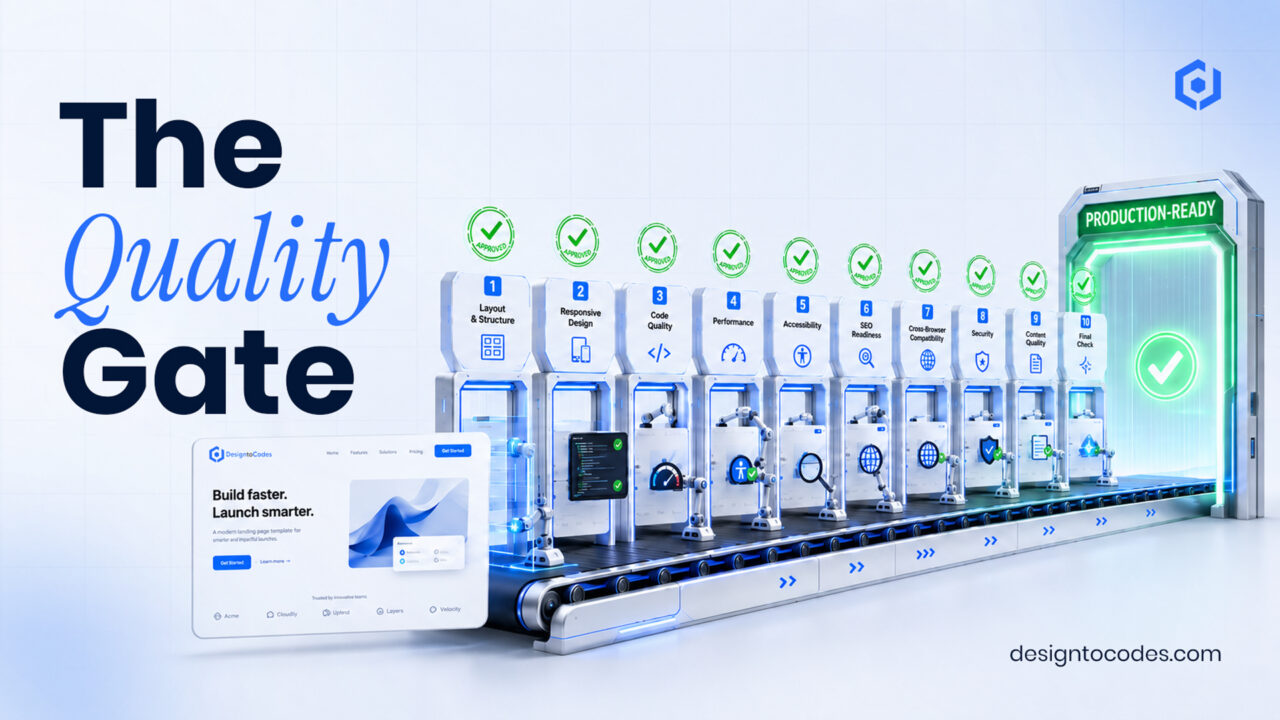
“Production-ready” gets stamped on almost every template for sale, and it usually means almost nothing. At DesignToCodes it means a specific, checkable list: responsive on real devices, accessible to WCAG 2.2 AA, validated HTML, a measured performance budget, clear licensing, readable code, honest demo content, structured data, real human support, and a maintained changelog. Here’s what each one actually means — and how to verify it yourself before you buy anything, from us or anyone else.
Learn about our production-ready website template completely.
The problem with “production-ready website template”
Most marketplaces have a low floor: a template passes if it looks fine in the preview. But the preview hides what bites you later — a 4MB hero that fails Core Web Vitals, inline styles that make customization a nightmare, a “license” that forbids the use you bought it for. The cost shows up after purchase, when you’re committed. A real quality bar is the product. Here’s ours, point by point.
The 10-point bar of a production-ready website template
- Responsive on real devices, not just an emulator. We test on actual phones and tablets, because emulators miss touch targets, safe-area insets, and real font rendering.
- WCAG 2.2 AA accessibility. Sufficient contrast, keyboard navigation, focus states, semantic landmarks, and labeled controls — so your site works for everyone and stays legally safer.
- W3C-validated HTML. Clean, valid markup that browsers and crawlers parse reliably. No mystery rendering bugs from malformed tags.
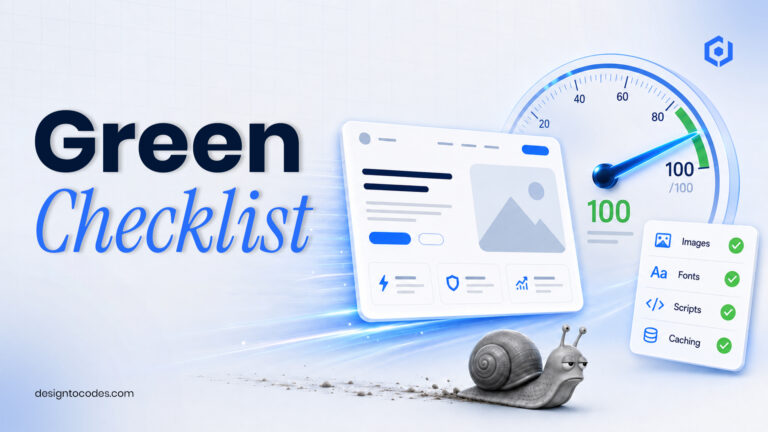
- A real performance budget. Core Web Vitals targets met: LCP under 2.5s, CLS under 0.1, lean JavaScript. Speed is built in, not bolted on.
- License clarity. Plain-English terms on what you can and can’t do — no ambiguous clauses that surface when you try to use what you paid for.
- Code a human can read. Consistent structure, sensible class names, and comments where they help. You should be able to customize it without reverse-engineering it.
- Honest demo content. Realistic copy and correctly-sized images, so what you preview is what you get — not a beautiful demo hiding an empty shell.
- SEO & structured data. Proper heading hierarchy, meta tags, and schema scaffolding so the template helps you rank and get cited, instead of fighting you.
- Real human support. A person who answers, not a dead forum. Templates need help during setup, and we provide it.
- A maintained changelog. Updates for framework and browser changes, documented. A template that’s never updated is a liability the day the ecosystem moves.
What this costs us — and why we do it anyway
This bar is slower and more expensive than shipping a pretty preview. It means QA passes that catch real bugs before launch, accessibility audits, and ongoing maintenance long after the sale. We do it because the alternative — a refund, a frustrated developer, a site that breaks in three months — costs more, in trust if not in dollars. A template’s job is to save you time. One that fails after purchase does the opposite.
How to verify any template before you buy (ours or a competitor’s)
- Run the live demo through PageSpeed Insights — check the mobile score, not just desktop.
- Tab through the demo with your keyboard: can you reach and see every interactive element?
- Read the license in full before paying. Look for use restrictions and attribution requirements.
- Check the changelog and last update date. Stale = risk.
- Open the browser dev tools and skim the HTML: is it clean, or a div soup of inline styles?
We publish this list partly so you’ll hold us to it. Browse the DesignToCodes template collection and put any of them through these checks yourself.
Trending templates of DesignToCodes people loved a lot

Carvatrix – Car Rental Framer Website
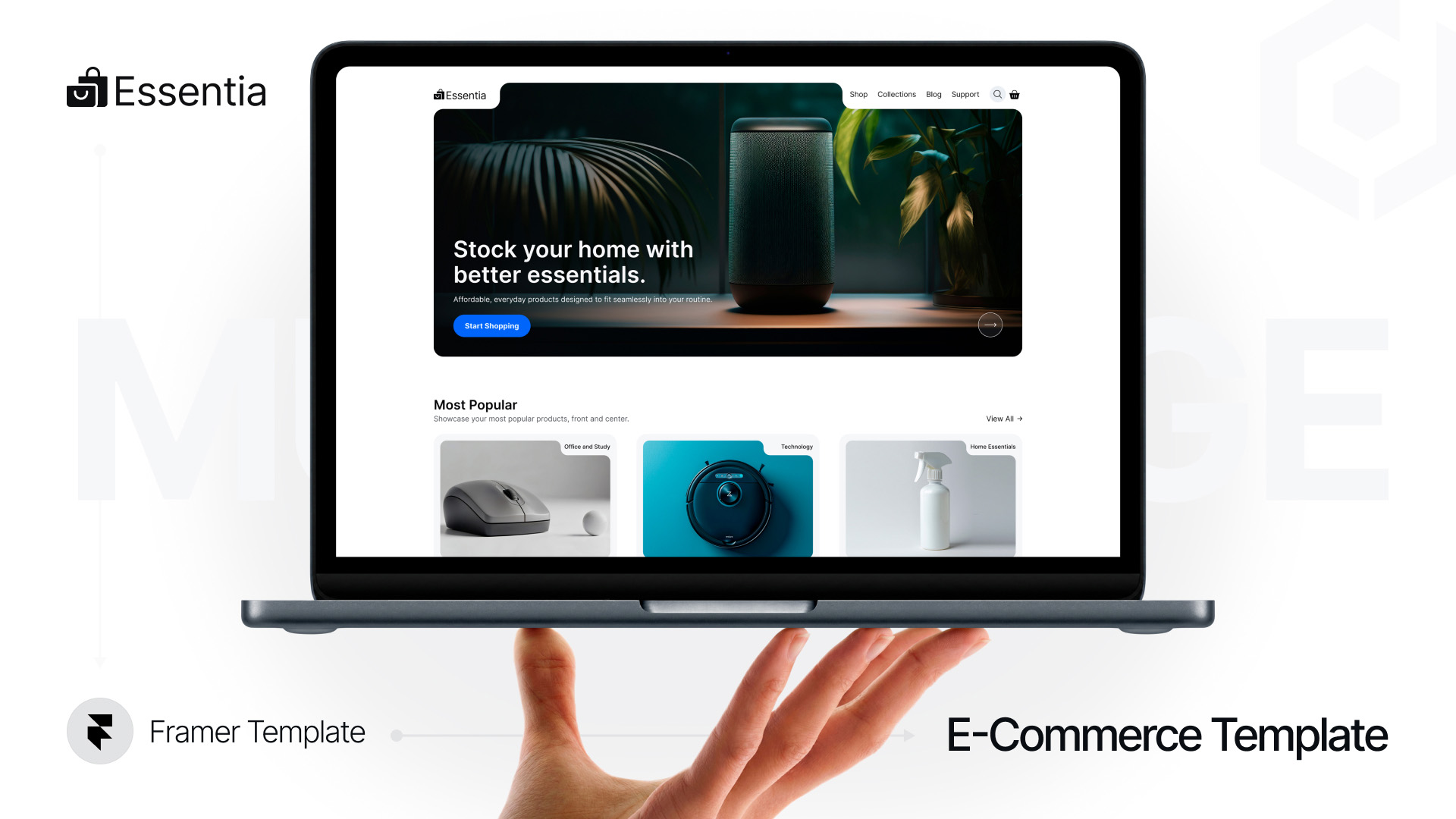
Essentia – E-commerce Framer Template
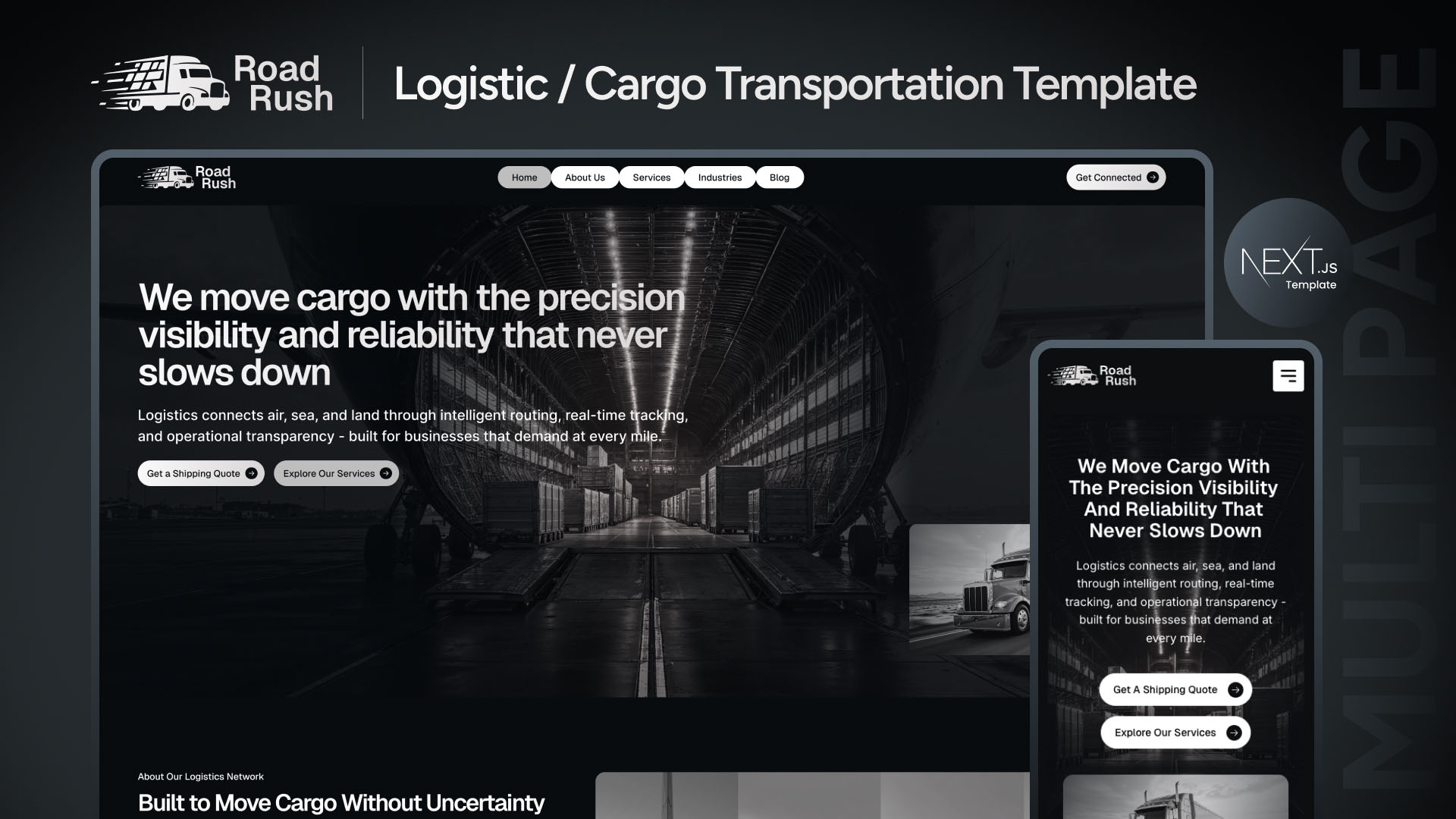
Roadrush – Logistics Next.js Template
Frequently asked questions
What does “production-ready” actually mean for a website template?
That it’s ready to launch a real site without major rework: responsive, accessible, fast (passing Core Web Vitals), validated, clearly licensed, and supported. Many templates labeled this way only meet the “looks fine in preview” bar.
How can I tell if a template is high quality before buying?
Run the live demo through PageSpeed Insights on mobile, keyboard-navigate it for accessibility, read the full license, check the changelog’s last update, and inspect the HTML for clean code. These five checks take ten minutes and reveal most quality issues.
Why are some templates so much cheaper?
Lower-priced templates often skip the expensive parts — accessibility, performance optimization, ongoing maintenance, and real support. The sticker price is lower, but the total cost (in rework and risk) can be higher.
Do DesignToCodes templates include support and updates?
Yes. Real human support during setup and a maintained changelog for framework and browser changes are two of the ten standards every template is held to.
See the bar in action. Browse the DesignToCodes collection and run any template through the five checks above before you decide.